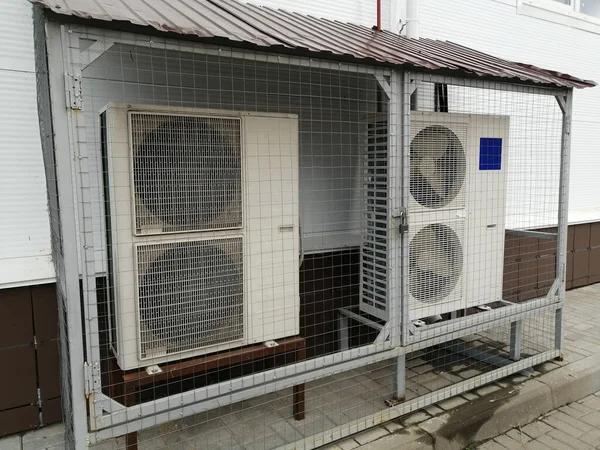

When matching HVAC systems, an air conditioning contractor undertakes a comprehensive assessment to ensure optimal performance and efficiency. This process involves evaluating several factors that influence the selection of the right system for a particular space. The goal is to achieve a balance between comfort, energy efficiency, and cost-effectiveness.
Firstly, contractors assess the size of the space requiring climate control. An accurately sized HVAC system is crucial because an oversized unit can lead to increased humidity levels and frequent cycling on and off, while an undersized unit may struggle to maintain desired temperatures. To determine the appropriate size, contractors perform load calculations that consider square footage, ceiling height, insulation quality, window sizes and types, as well as local climate conditions.
Another critical consideration is energy efficiency. Contractors look at find the source here Seasonal Energy Efficiency Ratio (SEER) ratings of different units. Higher SEER ratings indicate more efficient systems that consume less energy over time. Selecting high-efficiency units can result in significant savings on utility bills while reducing environmental impact.
The type of HVAC system is also vital in this decision-making process. Options include central air conditioning systems, ductless mini-splits, heat pumps, or hybrid systems combining gas and electric power sources. Each type has its advantages depending on specific needs such as budget constraints or existing infrastructure compatibility.
Contractors must also evaluate indoor air quality requirements when selecting HVAC systems. Features like advanced filtration options or dehumidification capabilities are important for maintaining healthy indoor environments free from allergens or excessive moisture buildup which could lead to mold growth.