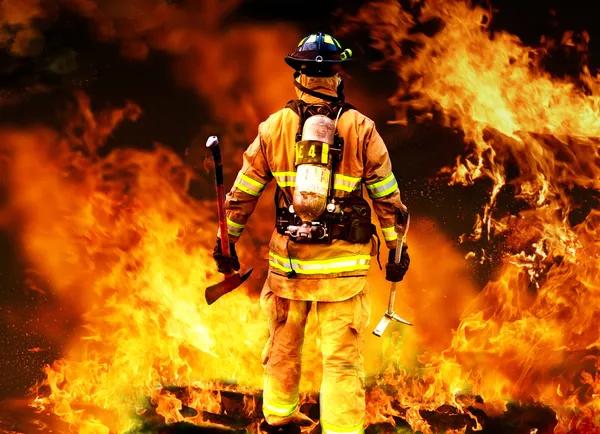

In today’s fast-paced business environment, ensuring continuity is paramount for the survival and growth of any organization. A critical aspect of this continuity is effective risk management, which encompasses a wide range of potential threats, including financial risks, cyber threats, and environmental hazards. Among these, fire safety emerges as a pivotal component that modern businesses cannot afford to overlook.
Fire safety in business premises goes beyond compliance with regulatory requirements; it is an integral part of comprehensive risk management strategies aimed at safeguarding assets, employees, and operations. The impact of a fire incident can be devastating—not only in terms of physical damage but also due to read the complete guide disruption it causes to business operations. This makes it essential for organizations to integrate robust fire safety measures within their broader risk management frameworks.
Modern businesses are increasingly adopting advanced technologies to enhance their fire safety protocols. Automated detection systems equipped with smoke detectors and heat sensors provide real-time alerts that enable swift responses to potential fires. Moreover, smart building technologies allow for integrated systems where alarms can trigger automatic sprinklers or notify emergency services immediately upon detecting signs of fire. These advancements significantly reduce response times and mitigate damage.
However, technology alone is not sufficient. A culture of awareness and preparedness among employees plays an equally crucial role in minimizing fire-related risks. Regular training sessions on evacuation procedures and the use of firefighting equipment ensure that staff members are well-prepared in case of an emergency. Conducting periodic drills helps reinforce these practices while identifying any weaknesses in existing plans.
Furthermore, collaboration with local emergency services enhances a company’s readiness to handle fire incidents effectively. Establishing relationships with local firefighters ensures they are familiar with the layout and specific hazards present within business premises—a factor that could prove vital during actual emergencies.
The integration of comprehensive insurance policies forms another layer within the risk management framework concerning fire safety. Adequate coverage ensures financial protection against losses incurred from fires—be it property damage or business interruption costs—thereby facilitating quicker recovery post-incident.
Ultimately, incorporating rigorous fire safety measures into overall risk management strategies underscores a commitment to protecting not just tangible assets but also human lives—an ethical responsibility every employer holds toward their workforce and clientele alike.
In conclusion, as businesses navigate an array of challenges inherent in today’s dynamic landscape—from technological disruptions to environmental changes—the importance placed on proactive measures like robust fire safety cannot be overstated. It serves as both a shield against unforeseen calamities and a testament to an organization’s dedication towards sustaining long-term operational resilience amidst uncertainties.