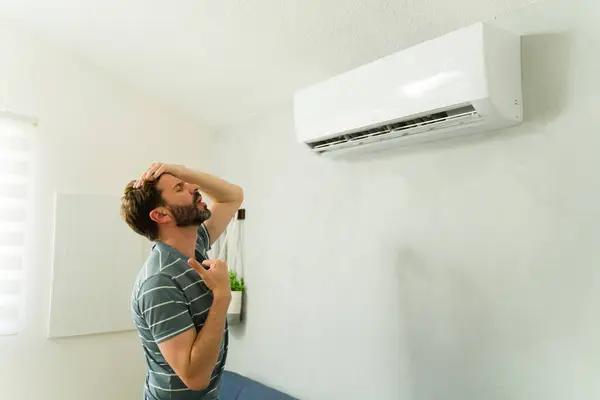

Installing a mini split air conditioning system can be an excellent choice for homeowners seeking efficient and flexible cooling solutions. These systems offer the advantage of providing targeted temperature control without the need for extensive ductwork, making them ideal for various home layouts. Before beginning installation, it is essential to carefully plan the placement of both indoor and outdoor units to maximize performance and convenience.
The indoor unit should be installed on a sturdy wall that allows for optimal airflow throughout the room. Avoid placing it near heat sources, direct sunlight, or areas with restricted air circulation, as these factors can reduce efficiency. The height at which the unit is mounted also matters; typically, mounting it around seven feet above the floor ensures better distribution of cooled air while keeping it out of reach from children or pets. Additionally, consider accessibility for maintenance tasks such as filter cleaning or occasional repairs.
The outdoor condenser unit requires a location with ample ventilation and minimal exposure to debris or vegetation that could obstruct airflow. It should rest on a level surface like a concrete pad or sturdy brackets fixed to an exterior wall. Proper clearance around this unit is critical-ensure there are several feet of free space on all sides to facilitate heat dissipation and prevent overheating issues.
When running refrigerant lines between indoor and outdoor components, use insulated copper tubing designed specifically for mini splits. Keep line lengths within manufacturer recommendations since longer runs may cause performance loss or require additional refrigerant charge adjustments by professionals. It is important to avoid sharp bends in tubing during installation because they can restrict refrigerant flow and lead to system inefficiencies.
Electrical connections must comply with local codes and regulations; hiring a licensed electrician is advisable unless you have sufficient experience working with HVAC electrical systems. The power supply should match the specifications provided in your mini split’s manual, including appropriate circuit breakers and disconnect switches.
After physical installation is complete, properly evacuate air from refrigerant lines using vacuum pumps before charging the system with refrigerant if not pre-charged by factory standards. This step prevents moisture contamination inside the lines which could damage components over time.
Finally, test your newly installed Mini Split AC thoroughly by running it through various modes such as cooling and fan-only settings while monitoring temperature changes in different rooms served by each indoor unit. Make any necessary adjustments following manufacturer guidelines to ensure optimal comfort levels throughout your home year-round.
By following these tips carefully during installation, homeowners can enjoy reliable cooling performance combined with energy savings offered by modern mini split technology without unnecessary complications down the road.