
Refrigerant leaks in air conditioning systems are a common issue that can significantly impact both the efficiency and performance of the unit. Understanding the signs of these leaks and implementing effective solutions is crucial for ensuring optimal functionality and longevity of air conditioning systems.
One of the primary indicators of a refrigerant leak is a noticeable decrease in cooling efficiency. When there’s a leak, the system loses its ability to effectively absorb heat from indoor spaces, leading to inadequate cooling performance. Homeowners might notice that their rooms take longer to cool or never reach the desired temperature, despite continuous operation of explore the possibilities further system. This inefficiency not only affects comfort levels but also leads to increased energy consumption as the system works harder to achieve set temperatures.
Another sign is ice formation on evaporator coils. When refrigerant levels drop due to leakage, it causes an imbalance in pressure within the system. This can lead to moisture freezing on coils, further hindering heat exchange processes and reducing overall efficiency. If left unchecked, this issue can escalate into more severe damage requiring costly repairs or even replacement.
Unusual noises emanating from an air conditioning unit may also indicate refrigerant leakage. Hissing or bubbling sounds often suggest that refrigerant is escaping through small holes or cracks in coils or lines. Such auditory cues should prompt immediate inspection by professionals who can accurately diagnose and rectify underlying issues before they worsen.
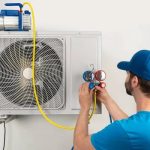
Addressing refrigerant leaks involves both preventive measures and timely interventions by certified technicians equipped with appropriate tools for detection and repair purposes. Regular maintenance checks play a crucial role in identifying potential vulnerabilities early on—ensuring proper sealing around connections while monitoring pressure levels helps preemptively mitigate risks associated with leaks.