
In today’s fast-paced digital world, communication is key. Whether it’s for personal use, business purposes, or any other scenario, having a reliable means of communication can make all the difference. One such tool that has gained popularity is the short-term number. This temporary phone number offers flexibility and privacy in various situations.
One common situation where a short-term number proves invaluable is during online transactions. When buying or selling items on platforms like Craigslist or eBay, sharing your permanent phone number with strangers might not be ideal due Short Term Number to privacy concerns. A short-term number allows you to communicate securely without revealing your primary contact information. Once the transaction is complete, you can simply dispose of the temporary number without worrying about unsolicited calls or messages.
Another scenario where a short-term number comes in handy is when traveling abroad. International roaming charges can be exorbitant, making it costly to use your regular phone plan while overseas. By obtaining a local short-term number in the destination country, travelers can enjoy cheaper rates for calls and texts within that region. This approach not only saves money but also ensures seamless communication with local contacts.
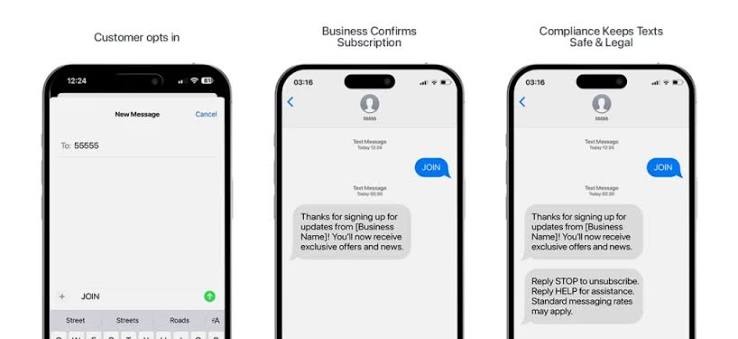
Short-term numbers are also beneficial for businesses conducting marketing campaigns or customer surveys. Companies often need to reach out to potential customers through SMS or voice calls without overwhelming their main lines with incoming responses. Using temporary numbers allows businesses to manage high volumes of outgoing communications effectively while maintaining clear records of interactions specific to each campaign.
For individuals using dating apps and websites, safeguarding personal information becomes crucial given potential risks associated with online dating platforms today; hence opting for disposable numbers provides an extra layer of security against unwanted advances after initial interactions have concluded successfully—or otherwise!