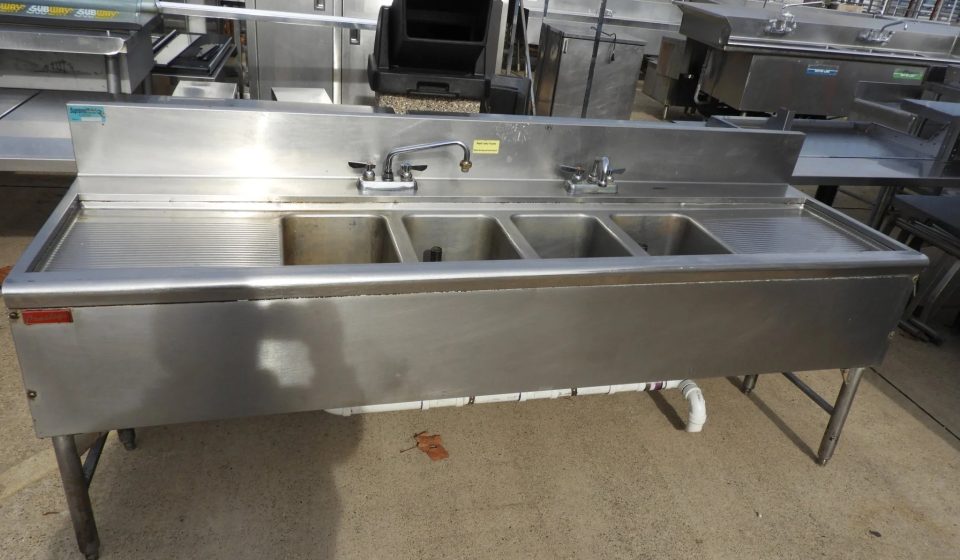

Commercial sink solutions play a vital role in the daily operations of restaurants and cafes, providing essential functionality for food preparation, dishwashing, and maintaining hygiene standards. Choosing the right sink can significantly impact workflow efficiency and compliance with health regulations. These establishments require sinks that are durable, easy to clean, and adaptable to various kitchen tasks. The primary types of commercial sinks include handwashing sinks, prep sinks, three-compartment sinks, and mop or utility sinks. Each serves a distinct purpose but collectively ensures smooth kitchen operation.
Handwashing sinks are crucial for employee hygiene and must be conveniently located throughout the facility. They often come equipped with hands-free faucets to minimize contamination risks. Prep sinks assist in washing vegetables or other ingredients before cooking; their size varies based on kitchen volume but typically allows sufficient space for thorough cleaning while saving time during busy hours. Three-compartment sinks remain a staple in many kitchens due to their ability to handle manual dishwashing effectively by separating washing, rinsing, and sanitizing stages into different basins.
Material choice is another important consideration when selecting Commercial Sink solutions. Stainless steel remains the industry standard because it resists corrosion, withstands high temperatures, and offers ease of maintenance. Its non-porous surface prevents bacterial buildup while allowing quick cleanup after heavy use. Some manufacturers also offer specialized coatings or designs that reduce noise from water flow or utensil contact-a useful feature in bustling environments where minimizing distractions benefits staff concentration.
Size matters as well since restaurant kitchens vary widely in scale from small cafes to large dining establishments requiring multiple stations operating simultaneously. Sinks should fit seamlessly into existing layouts without causing bottlenecks or obstructing movement between work areas such as cooking zones and storage spaces. Customizable options enable businesses to tailor configurations according to specific needs like additional drainboards for drying dishes or integrated garbage disposals that facilitate waste management.
Installation requirements often involve plumbing adjustments tailored specifically for commercial-grade equipment capable of handling higher water volumes compared to residential units. Ensuring proper drainage systems prevent backups that could disrupt service during peak hours is critical for maintaining operational continuity.
In addition to functional aspects, some modern commercial sink models incorporate ergonomic features designed to reduce strain on employees who spend long hours standing at these stations daily. Adjustable heights or angled surfaces contribute positively toward workplace safety by promoting better posture during repetitive tasks.
Ultimately choosing appropriate commercial sink solutions enhances overall productivity while supporting stringent sanitation practices required within foodservice environments like restaurants and cafes alike-making them an indispensable investment toward successful kitchen management strategies today.