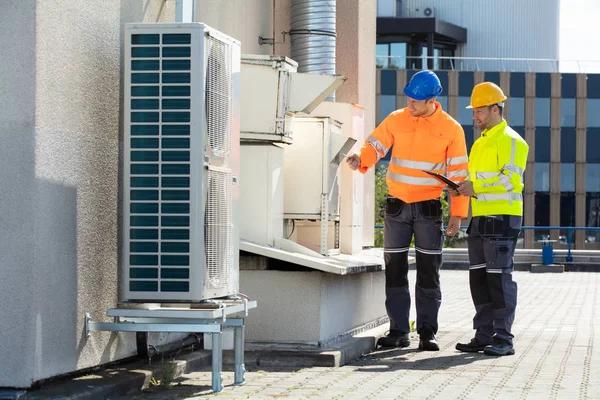

As the summer heat intensifies, ensuring that your air conditioning system is functioning optimally becomes crucial. For residents of Tarzana, where temperatures can soar, a well-maintained AC unit is not just a luxury but a necessity. However, like any other appliance, an AC system can develop issues over time. Identifying these problems early can save you from costly repairs and discomfort during the hottest months. Here are some important signs that your Tarzana AC system may need professional attention.
One of the first indicators that something might be wrong with your AC unit is unusual noises. While all systems produce some sound when operating, sudden or loud noises such as grinding, squealing, or banging are often indicative of internal issues. These sounds could be due to loose parts or more severe mechanical problems that require immediate professional evaluation.
Another significant sign is reduced airflow from the vents. If you notice weak airflow despite setting the thermostat correctly, it could signal a problem with the compressor or ductwork blockage. Reduced airflow not only affects comfort levels but also forces your system to work harder than necessary, potentially leading to increased energy bills and further damage.
Inconsistent cooling throughout your home is another red flag that visit our website warrants attention. If certain rooms remain warmer than others despite running the AC for extended periods, there may be an issue with zoning or ductwork balance in your home’s HVAC system.
A sudden spike in energy bills without a corresponding increase in usage often points towards inefficiency within your air conditioning unit. This inefficiency could stem from various factors such as dirty filters, failing components, or refrigerant leaks which necessitate professional intervention to diagnose and rectify effectively.
Furthermore, if you detect strange odors emanating from your vents whenever the AC is on—such as musty smells—it might indicate mold growth within either the ducts or on internal components like coils and filters due to excess moisture accumulation; this requires urgent cleaning by professionals to prevent health hazards associated with poor indoor air quality.