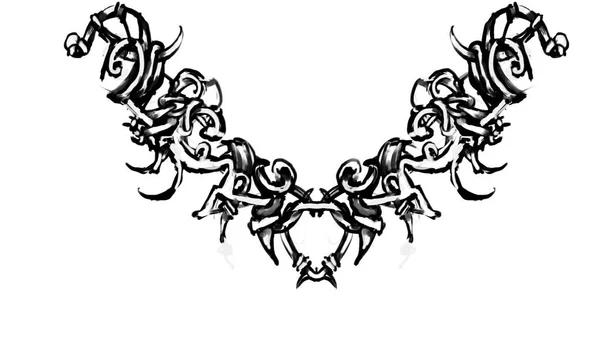

Tattoos have long been a fascinating form of self-expression, blending art and personal meaning in a unique way. The art of ink carries with it a rich history and numerous intriguing facts that make tattoos captivating to many. From ancient practices to modern techniques, the world of tattoos is filled with surprising elements that deepen our appreciation for this age-old craft.
One of the most interesting facts about tattoos is their deep historical roots. Archaeologists have discovered tattooed mummies dating back thousands of years, showing that humans have been adorning their skin with meaningful read about our work symbols for millennia. The oldest known tattooed human skin belongs to Ötzi the Iceman, who lived over 5,000 years ago. This highlights how tattoos have been an intrinsic part of human culture across various civilizations.
The tools used for tattooing have evolved significantly over time. Ancient tattooing methods often involved sharp bones, sticks, or thorns dipped in natural pigments. Today, modern tattoo machines use electric needles that can precisely deposit ink beneath the skin. This evolution has allowed for greater detail, vibrant colors, and faster application, making contemporary tattoo art incredibly diverse and intricate.
Another captivating aspect of tattoos is the variety of styles available, each with its own cultural significance and artistic approach. From traditional Japanese irezumi to the bold lines of American traditional tattoos and the delicate patterns of tribal ink, every style tells a story. This diversity allows individuals to choose designs that resonate with their identity, beliefs, or experiences.
Tattoos also interact uniquely with the body’s biology. The ink is injected into the dermis, which is the second layer of skin. This placement ensures that the design remains relatively permanent as the dermis is stable and less prone to shedding cells compared to the outer epidermis. However, the body’s immune system may slowly break down some ink particles over time, which is why tattoo colors can fade or blur.
The psychology behind tattoos is equally intriguing. Many people choose tattoos to commemorate important life events, express individuality, or even reclaim control over their bodies. Research has shown that tattoos can boost self-esteem and provide a sense of belonging or identity. This emotional connection often makes tattoos much more than just body art – they become a part of one’s personal narrative.
Lastly, the tattoo industry itself is a vibrant and growing field, blending artistry with entrepreneurship. Skilled tattoo artists often spend years perfecting their craft through apprenticeships and continuous learning. As tattoos become more mainstream, the community around tattoo culture fosters creativity, inclusivity, and innovation, ensuring the art of ink remains as fascinating as ever.